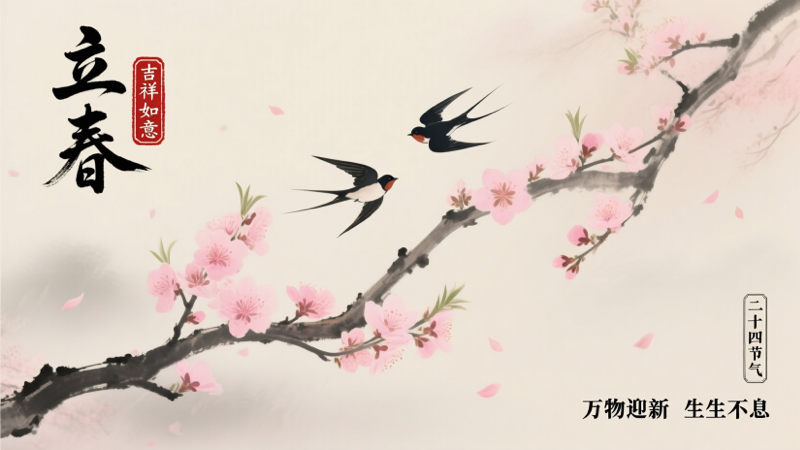
Lichun: the first quiet turn of spring in China
A date that marks a turn, not a season Lichun (立春 lìchūn), literally “the start of spring,” opens China’s 24 solar terms. It usually falls between February 3 and 5, when the sun reaches 315 degrees on its annual path. But in most parts of China, it doesn’t feel like spring yet. The cold is still there. What you get is a small signal that the year has started to shift.
Quick Facts About Lichun
- Name: 立春 ( lìchūn)
- Meaning: Beginning of Spring
- Date: Around February 3–5 (varies yearly)
- This Year: February 4
- Position: First of the 24 Solar Terms
- Key Custom: “Biting Spring” (咬春 yǎo chūn)
- Symbolism: Renewal, seasonal transition, new beginnings
A seasonal marker that once shaped daily life
For centuries, Lichun set the pace of rural life. It told farmers when to prepare fields, mend tools, and plan the first work of the season. In imperial times, courts staged official “welcoming spring” ceremonies, which shows how tightly seasonal knowledge was tied to power and stability.
Even now, the word chun (spring) still carries that old sense of renewal—something beginning, not fully arrived.
How people still “welcome” spring
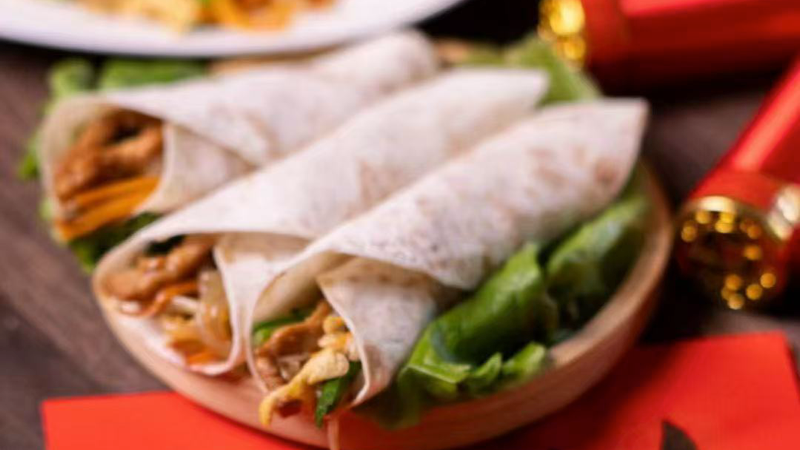
Some customs remain. The best-known is yao chun, or “biting the spring.” (咬春 yǎo chūn) Families eat fresh greens, radishes, or thin spring pancakes, symbolically taking in the new season. Certain foods are believed to help the body adjust after winter—radishes to “clear heat,” leeks to support circulation.
In a few regions, people still perform “beating the spring ox” (打春牛 dǎ chūn niú). A paper ox filled with grains is struck and broken open to represent waking the land and calling in a good harvest.
The natural science behind an ancient calendar
The 24 solar terms divide the sun’s yearly movement into equal segments. Each term is broken into three micro-seasons (the 72 hou), which record small changes in the natural world.
For Lichun, those observations include the east wind softening ice, insects stirring underground, and fish moving beneath thinning winter surfaces. They read more like field notes than poetry—simple cues recorded over generations.
In 2016, UNESCO recognized the 24 solar terms as Intangible Cultural Heritage, calling them a traditional system of ecological knowledge shaped by long interaction between people and climate.
Why Lichun still matters
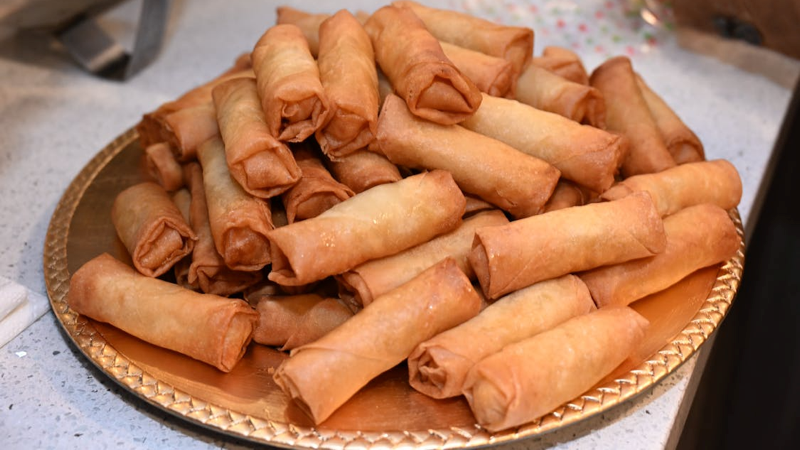
In modern cities, Lichun no longer tells people when to plough. It’s more of a gentle marker. Some families still share spring rolls (春卷 chūn juǎn). Others take a morning walk to “welcome rising yang energy,” or simply notice the first signs of movement in roadside trees.
There’s a saying in China: spring begins with Lichun, but warmth comes later. That line captures the mood. Lichun isn’t about sudden change. It’s a quiet checkpoint—an invitation to pause, look outward, and sense that the natural world has already started its next cycle.
A bite of radish, a glance at thinning ice—small acts, but they keep time with nature.