The night everyone tries to come home for
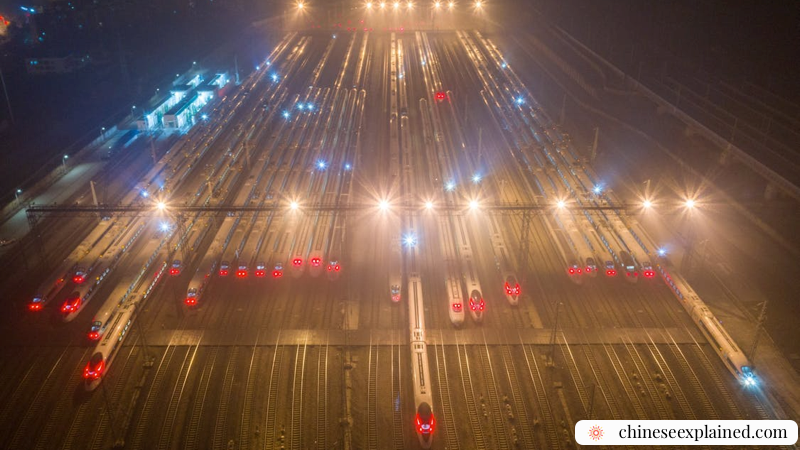
By late afternoon on Chinese New Year’s Eve(除夕, chúxī), train stations are crowded, home kitchens are busy, and family group chats go quiet all at once. Everyone is in transit.
This night revolves around one promise: sit at the same table, even if it happens only once a year. The meal at the end of that journey is Nian Ye Fan(年夜饭, nián yè fàn)—the reunion dinner.
For many families, it is not the most complicated meal of the year. It is simply the one that matters most.
What is Nian Ye Fan (年夜饭, nián yè fàn)?
Literally, nian ye fan means “New Year’s Eve meal.”
People eat it in the early evening on 除夕 (chúxī), the final night of the lunar year—before fireworks, before TV countdowns, before staying up late to welcome the new calendar.
Unlike New Year’s Day banquets, which are often shared with relatives and neighbors, nian ye fan is usually for the immediate family. The table is meant to feel private, and that is intentional.
People often compare it to Thanksgiving. The comparison helps, but only to a point. This dinner is not centered on one historical story. It is centered on reunion itself.
Why this meal matters more than any other dinner
For much of modern China, everyday life means movement. People study in one city, work in another, and leave parents in a third.
Nian ye fan interrupts that routine.
It is one of the few moments when absence feels visible. Empty chairs stand out. Late arrivals are tracked minute by minute. If someone cannot make it home, people talk about it quietly—and usually more than once.
The emotional weight of the evening comes less from what is cooked than from who is there.
A table full of meanings: lucky dishes and hidden wishes
The reunion dinner speaks through food.
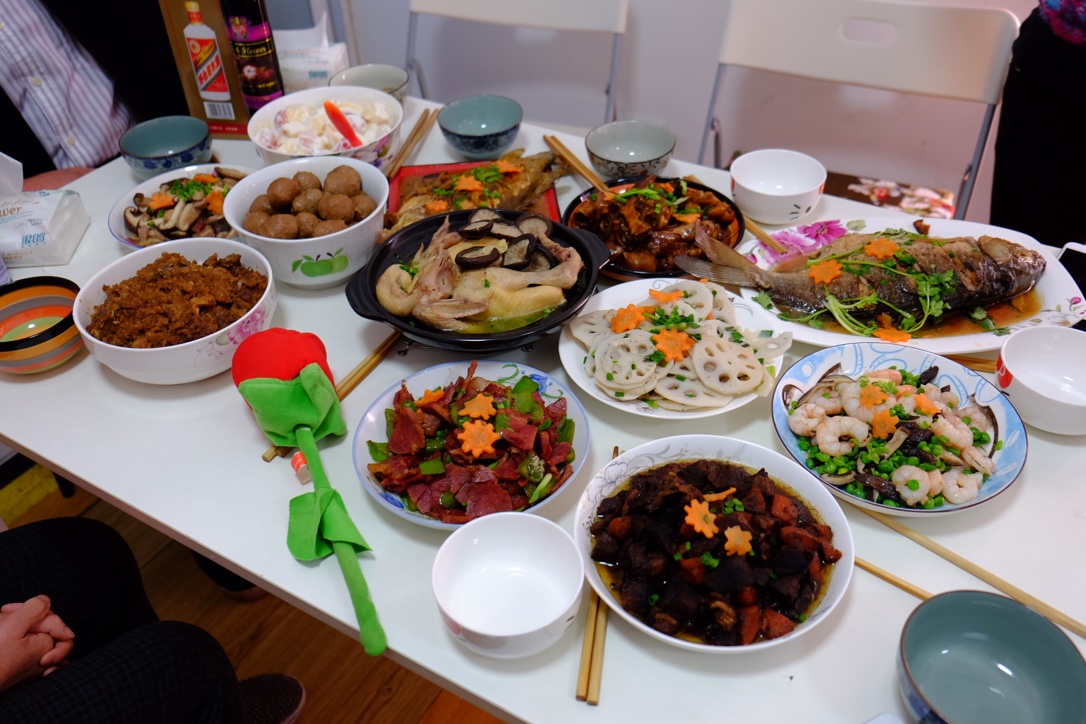
Many dishes appear not because they are personal favorites, but because of what they symbolize.
Sweet dishes—such as glutinous rice desserts or sweet soups—stand for a sweet and harmonious life(甜甜蜜蜜, tián tián mì mì).
Round foods, especially meatballs or sticky rice balls(丸子 / 汤圆, wánzi / tāngyuán), symbolize togetherness and reunion(团圆, tuányuán). Shape matters as much as flavor.
Fish(鱼, yú)is almost always on the table. The word sounds like “surplus,” which is why families repeat 年年有余 (nián nián yǒu yú): may there be more than enough every year.
Then come the steamed dishes.
In many homes, fish, buns, or cakes are steamed instead of fried. Part of the reason is playful language. “Steamed” echoes the phrase 蒸蒸日上, zhēng zhēng rì shàng, a wish for steady rise and progress in the year ahead.
Other foods join the table depending on family custom:
- Dumplings shaped like ancient gold ingots in the north
- Rice cakes (年糕, niángāo), hinting at “higher” achievements
- Whole chicken, served intact, symbolizing completeness
Most people do not explain these meanings out loud. Everyone already understands them.
The seat, the order, and who serves first
At many reunion dinners, the first negotiation happens before anyone lifts chopsticks.
Who sits where?
In traditional family settings, elders are given the central or most respected seats. Younger family members pour tea, pass dishes, and encourage parents or grandparents to eat first.
These gestures are small, but deeply practiced.
Serving order carries meaning too. A dish placed in front of an elder before anyone else gets it is an everyday expression of respect. Nobody announces it. It is just how the meal moves.
In younger, more egalitarian households, these rules are softer than before—but they have not disappeared. They are still part of the choreography of dinner.
From home kitchens to crowded restaurants
Not every reunion dinner now happens at home.
In major cities, restaurants release nian ye fan set menus weeks in advance, and many sell out quickly. Families reserve tables the way people reserve concert tickets.
For working parents, small apartments and long commutes can make home cooking difficult. Eating out becomes the practical choice—and sometimes a welcome one.
Still, many people say restaurant reunion dinners feel a little different.
The food may be better. The room may be louder. But the feeling that the night belongs to the family can be harder to recreate outside home walls.
Regional reunion dinners across China
There is no single version of reunion dinner.
In northern China, dumplings dominate, often made together by hand in the afternoon before the meal.
In the south, rice-based dishes and 年糕 (niángāo) are more common, tied to regional agriculture and taste.
In coastal areas, seafood takes center stage. Whole steamed fish, prawns, and shellfish signal both prosperity and closeness to the sea.
Further south in Guangdong, tables are often lighter and more delicate, with soups, slow-steamed dishes, and balanced flavors.
Among overseas Chinese communities, the menu shifts again. Local ingredients enter. Old recipes are adjusted. But the structure of the evening—gathering, eating, lingering—still feels unmistakably familiar.
Nian Ye Fan does not require perfection.
Some dishes are overcooked. Some seats are squeezed in. Some conversations stall. The meaning of the meal still holds.
At its core, this ritual is not just about preserving tradition. It is about the quiet, repeated effort to come back—at least once a year—to the same table.