A living Calendar
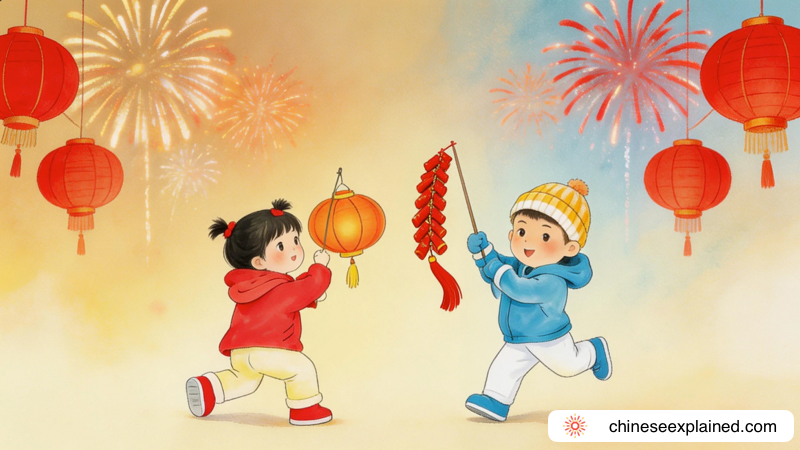
This short folk rhyme shows up in ALL Chinese first-grade textbooks. It works like a living calendar, guiding children, day by day, through the rituals that lead up to Lunar New Year.
In just a few playful lines, it captures how anticipation, preparation, and family life quietly build toward the biggest holiday of the year.
The original rhyme (with pinyin and natural English)
小孩小孩你别馋,
Xiǎohái, xiǎohái, nǐ bié chán,
Little one, little one, do not be so eager for treats.
过了腊八就是年。
Guò le Làbā jiù shì nián.
Once Laba Festival passes, New Year is already on its way.
腊八粥,喝几天,
Làbā zhōu, hē jǐ tiān,
Laba porridge is eaten for several days,
哩哩啦啦二十三。
Lī lī lā lā èr shí sān.
And before you know it, it’s the twenty-third.
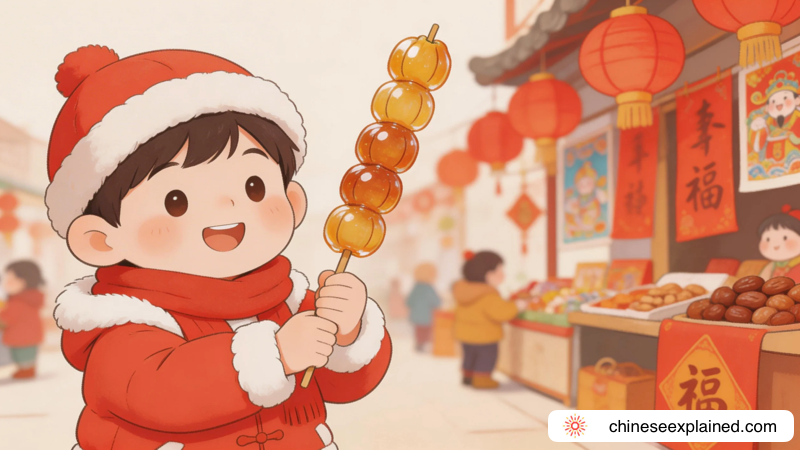
二十三,糖瓜粘。
Èr shí sān, táng guā zhān.
On the twenty-third, sticky sugar melons are eaten.
二十四,扫房子。
Èr shí sì, sǎo fángzi.
On the twenty-fourth, the house is cleaned.
二十五,磨豆腐。
Èr shí wǔ, mó dòufu.
On the twenty-fifth, tofu is made.
二十六,去买肉。
Èr shí liù, qù mǎi ròu.
On the twenty-sixth, people go out to buy meat.
二十七,宰公鸡。
Èr shí qī, zǎi gōng jī.
On the twenty-seventh, a rooster is prepared.
二十八,把面发。
Èr shí bā, bǎ miàn fā.
On the twenty-eighth, the dough is left to rise.
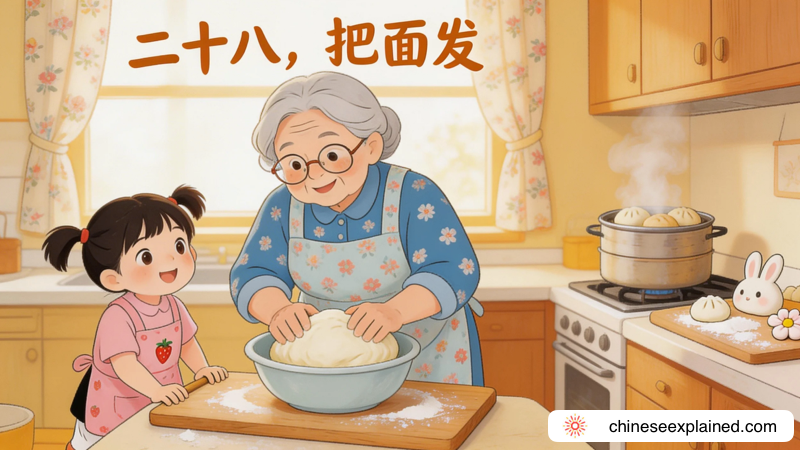
二十九,蒸馒头。
Èr shí jiǔ, zhēng mántou.
On the twenty-ninth, steamed buns are made.
三十晚上熬一宿,
Sān shí wǎnshang áo yì xiǔ,
On New Year’s Eve, the family stays up all night.
初一初二满街走。
Chū yī chū èr mǎn jiē zǒu.
On the first and second days of the new year, everyone is out visiting.
What this rhyme really teaches
At first glance, the rhyme looks like a simple chant for children. In fact, it reflects a deeply rooted idea in Chinese festival culture:
the New Year does not arrive suddenly; it is prepared for, one day at a time.
Each date in the rhyme refers to a real practice in the traditional lunar calendar during the final days of the old year, known collectively as the Spring Festival countdown.
Key cultural notes behind the lines
- 腊八 (Làbā) refers to the eighth day of the twelfth lunar month, known as Laba Festival. Families cook 腊八粥 (Làbā zhōu) - a porridge made with grains, beans, and dried fruits.
- 二十三 (the 23rd day of the twelfth lunar month) is traditionally linked to the Kitchen God ritual (灶王爷, Zào Wáng Yé), which is why sticky sweets such as 糖瓜 (táng guā) appear in the rhyme.
- Cleaning, food preparation, and shopping are spread over several days, easing the workload and giving every household a clear rhythm before the festival.
- 熬一宿 (áo yì xiǔ) means staying up all night - an early children’s way of describing 守岁 (shǒu suì), the custom of welcoming the new year by staying awake together.
Why this rhyme still matters today
Even in modern cities, where families may order food online and live in apartments instead of courtyard homes, many Chinese adults still remember this rhyme by heart.
For children, it is a playful chant. For adults, it is a shared memory of how New Year once unfolded slowly, through cleaning, cooking, waiting, and watching the calendar turn, one small ritual at a time.