
If this is your first trip to China, the hard part usually is not vocabulary. It is the small social decisions that happen all day: how to ask, how direct to be, how to read a polite “maybe,” and how to move smoothly in crowded public spaces.
Most first-week stress comes from tiny frictions, not big disasters. A confusing payment moment. A dinner you misread. A sentence that sounded fine in your head but landed awkwardly in context. This guide is built for that reality.

You do not need to copy local behavior perfectly. You need a few reliable defaults, then a willingness to adjust. China is huge, and habits vary by city, generation, and setting. Think of the 30 tips below as a practical starter map.
Before You Arrive (1-8)
-
Keep passport and visa files in both digital and paper form.
What happens: You may need identity documents at hotels, stations, or admin counters when you least expect it.
Why this helps: Phone battery, signal, and app logins fail at inconvenient times.
What to do: Store scans in cloud + phone gallery and carry one printed backup copy. -
Install key local apps before departure.
What happens: Daily tasks in China are often app-first, from maps to ride-hailing to payment.
Why this helps: Setup is easier when you are rested than when you are jet-lagged in transit.
What to do: Register and test your core apps before you fly. -
Carry a small amount of RMB cash, but expect mobile payment first.
What happens: QR payment is normal in most city scenarios.
Why this helps: One payment method can fail. Two methods keep your day moving.
What to do: Prepare one mobile wallet path, one physical card backup, and modest cash. -
Save your accommodation address in Chinese.
What happens: Pinyin pronunciation alone often is not enough in fast real-world interactions.
Why this helps: Chinese text removes ambiguity quickly for drivers and staff.
What to do: Save Chinese and English versions and keep an offline screenshot. -
Prepare a few survival Chinese phrases.
What happens: You will need quick help with directions, menus, and checkout steps.
Why this helps: Courtesy language lowers friction immediately.
What to do: Start with “请问” (qǐng wèn, excuse me), “谢谢” (xiè xie, thank you), and “我不太会中文” (wǒ bú tài huì Zhōngwén, my Chinese is limited). -
Expect city-to-city cost differences.
What happens: The same daily routine can cost very different amounts across cities.
Why this helps: Better budgeting means fewer bad, rushed decisions later.
What to do: Budget by destination, not by national average numbers. -
Plan clothing by region, not by season label alone.
What happens: “Spring” in one city may still feel like winter in another.
Why this helps: Weather mismatch affects energy, health, and mobility in week one.
What to do: Pack layers and check actual forecast ranges city by city. -
Check major holiday travel windows in advance.
What happens: Public-holiday transport and lodging can tighten very quickly.
Why this helps: Last-minute changes get expensive and inflexible.
What to do: If your dates overlap peak periods, book core legs early and keep buffer time.
Daily Communication and Courtesy (9-16)
-
Use polite forms first, then become casual later.
What happens: First impressions are formed fast in work and service contexts.
Why this helps: Starting slightly formal is safer than starting too relaxed.
What to do: Open politely, then match the other person’s tone once rapport is clear. -
Keep voice volume moderate in shared spaces.
What happens: In dense settings, people notice sound before content.
Why this helps: Lower volume reads as socially aware and considerate.
What to do: Keep calls short, especially in elevators, transit, and waiting lines. -
When unsure, observe first.
What happens: New visitors often apply home-country defaults too quickly.
Why this helps: One minute of observation can prevent an awkward interaction.
What to do: Watch local pacing, queue behavior, and service rhythm before jumping in. -
Refusals are often softer in tone.
What happens: You may hear indirect language where you expected a direct yes/no.
Why this helps: Understanding intent is more useful than literal wording.
What to do: If meaning is unclear, ask a calm follow-up instead of pushing for hard clarity immediately. -
“Let’s do it another day” can be polite distance.
What happens: Sometimes it means genuine future intent; sometimes it means soft decline.
Why this helps: You avoid over-following and social friction.
What to do: Respond warmly once and wait for concrete next steps. -
Avoid personal finance questions too early.
What happens: New contacts may be friendly but private about money and family details.
Why this helps: Early trust grows faster with neutral topics.
What to do: Use safe openers: food, city life, transport, travel, work routines. -
Treat age and relationship-status topics carefully.
What happens: These topics are normal in some circles and unwelcome in others.
Why this helps: There is no one universal social script.
What to do: Follow context and mirror the other person’s level of openness. -
Show patience with service workers.
What happens: Peak-time service can feel rushed and transactional.
Why this helps: Calm, clear requests usually get better outcomes than urgency.
What to do: Keep requests short, have details ready, and confirm politely.
Dining and Social Gatherings (17-22)
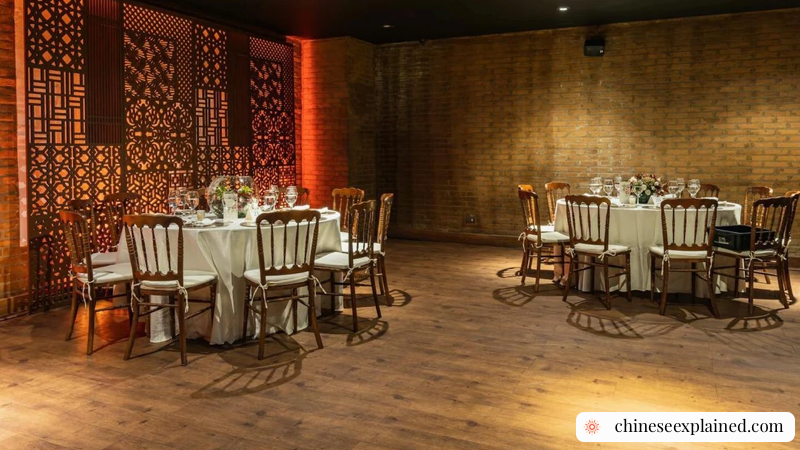
- Shared dishes are common in group meals.
What happens: Meals are often built around the table, not the individual plate.
Why this helps: You avoid under-ordering, over-ordering, and confusion at the start.
What to do: Ask the host what is typical for group size and follow their lead.
-
Seating can carry social meaning in formal settings.
What happens: At business or family events, seat order may reflect role or seniority.
Why this helps: Small pauses can prevent awkward first moments.
What to do: Let the host initiate seating when possible. -
Serving food to others depends on closeness.
What happens: In some groups it is warm and normal; in others it feels too personal.
Why this helps: Good intent lands better when you read context.
What to do: Observe once, then mirror; use shared serving tools when available. -
Toasting does not always mean alcohol.
What happens: Toasting is common, but drink type is often flexible.
Why this helps: You can participate without compromising your comfort.
What to do: Toast with tea or soft drink if needed, with the same respectful tone. -
Avoiding food waste is broadly valued.
What happens: Group enthusiasm can produce too much food.
Why this helps: Balanced ordering is practical and socially appreciated.
What to do: Order in rounds and pack leftovers when appropriate. -
Bill-paying can include polite “bill-grabbing.”
What happens: Friends or colleagues may insist on paying as a social gesture.
Why this helps: You avoid reading social ritual as conflict.
What to do: Offer sincerely once or twice; if the host insists, accept and reciprocate later.
Gift-Giving and Social Reciprocity (23-26)
- Meaning and occasion matter as much as price.
What happens: A thoughtful, context-fit gift often beats a costly generic one.
Why this helps: Gift exchange usually signals relationship awareness, not spending power.
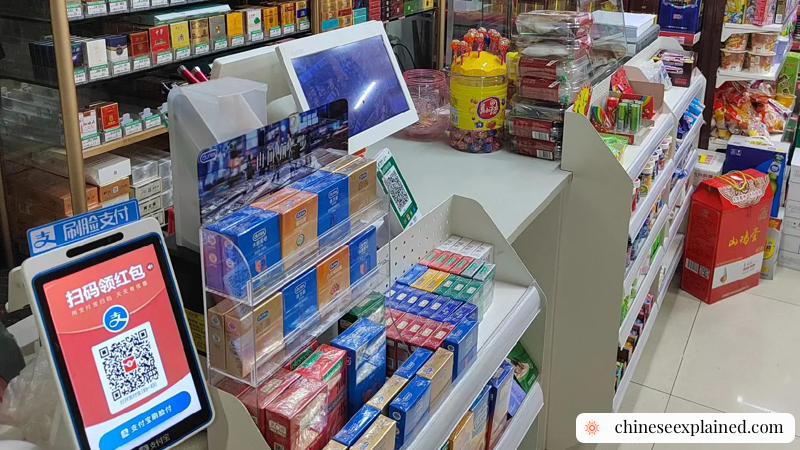
What to do: Match gift choice to occasion and closeness.
-
Some gifts can carry unlucky associations.
What happens: Sound-alike meanings and symbolism can affect perception.
Why this helps: You avoid accidental negative signals.
What to do: If unsure, choose safer options or ask a local friend. -
Red-envelope amounts often follow lucky-number logic.
What happens: Number choice can be read for tone and symbolism.
Why this helps: You avoid amounts that feel unintentionally awkward.
What to do: Follow local examples for similar occasions. -
Polite refusal before acceptance can be normal.
What happens: A first refusal may express modesty, not rejection.
Why this helps: You interpret the moment with less friction.
What to do: Stay warm and composed; if refusal remains firm, respect it.
Transport, Payments, and Public Spaces (27-30)
-
Stay extra alert around e-bikes and mixed traffic.
What happens: Sidewalk edges and lane transitions can be busy and fast.
Why this helps: Better awareness reduces preventable close calls.
What to do: Look both ways even when flow seems obvious; avoid sudden direction changes. -
Queue norms are generally strong, but peak-hour pressure changes behavior.
What happens: Crowded hubs move quickly and sometimes aggressively.
Why this helps: You can stay polite without losing your place.
What to do: Hold position clearly, keep flow moving, and avoid escalation. -
Ask before close-up photos of people.
What happens: Public spaces are photogenic, but personal boundaries still matter.
Why this helps: Respect builds trust and prevents conflict.
What to do: Ask briefly before close-up shots, especially with children and workers. -
When culture differs, respect first and ask second.
What happens: You will run into norms that feel unfamiliar.
Why this helps: Curiosity works better than instant judgment.
What to do: Use neutral language, ask sincere questions, and adapt.
A Simple Week-One Adaptation Plan
If you want these 30 tips to stick, do not try to apply all of them at once. Use a short sequence in your first week and focus on behavior, not perfection.
Day 1-2: Remove operational friction.
Confirm your address in Chinese text, test payment methods with small transactions, and verify transport routes for your core daily loop. At this stage, confidence matters more than speed.
Day 3-4: Improve communication quality.
Practice a few high-frequency phrases in real interactions and pay attention to tone, pacing, and politeness signals. Notice when people choose softer wording and how conversations shift by context.
Day 5-6: Learn social rhythm through meals.
If you join a group meal, watch seating flow, dish-sharing pace, and bill etiquette. You do not need to lead anything. Just mirror respectfully and ask short clarifying questions when needed.
Day 7: Review and adjust.
Write down three moments that felt smooth and three moments that felt awkward. Then tie each awkward moment to one tip from this checklist. That turns experience into practical learning very quickly.
One more point: expect inconsistency, and do not panic when you see it. China is not a single cultural script. Office lunch behavior can be very different from family dinner behavior. Tier-1 city routines can differ from smaller city routines. University communities can operate with different norms than formal business settings. This is normal. Your goal is not to memorize one rigid rulebook; your goal is to get better at reading context.
When in doubt, this sequence works: pause, observe, ask briefly, then adapt. It is simple, but it scales well across cities and situations.
FAQ: Common Newcomer Mistakes
Do I need cash in China now?
Keep some cash for backup, but treat mobile payment as your default for everyday spending.
Is it rude to refuse alcohol at dinner?
Usually no. In many situations you can still toast with tea or soft drinks and remain fully polite.
Should I always bring gifts when meeting people?
No. Gift-giving depends on the occasion and relationship. In many first meetings, punctuality and respectful behavior are enough.
Is direct communication considered impolite?
Not by default. Direct language works in many practical situations, while socially sensitive topics often benefit from softer phrasing.
What is the single most useful habit for newcomers?
Observe first, then adjust. That one habit solves a surprising number of small cultural misunderstandings.
How do I avoid overthinking every interaction?
Use a simple rule: polite, clear, flexible. Most interactions go well when those three are present.
What if I make a mistake in public?
Give a short apology, correct it, and move on. No drama needed.
Final Note
You do not need perfect cultural performance to have a good first month in China. Steady adjustment beats perfect preparation. Stay respectful, stay curious, and update your approach as you learn. That mindset carries you further than any checklist.